20 New Ideas for Choosing Dress Fabric in Birmingham, Lichfield and Walsall
Wiki Article
Custom Curtains Outshine Ready-Made Each And Every Time.
The decision between pre-made curtains and custom-made curtains is usually framed by the cost versus the luxury. This is a fundamental misconception. Custom-made curtains are completely different from the curtains made by mass production. They are a technological innovation in your living room that focuses on light, volume, proportions and endurance. Custom-designed curtains aren't just window coverings; they are environmental filters. They are precisely engineered starting from the fabric all the way to the meter. This article explores ten important but often overlooked benefits of custom-designed curtains. It reveals how local resources, from Birmingham's fabric shops to Lichfield trim specialists, can be used to address problems you did not even realize existed.
The Top 10 Things You Need to Be aware of:
1. The Precision of the "Reveal": Architectural Integration over Window Covering.
The curtains are hung in the vicinity of the window. Custom made curtains are designed to match the architectural style of the window. The "reveal" or the exact distance between curtain edge and frame when the window is opened, is the most important measurement. Experts estimate it down to the millimeter. The result is curtains that are stacked neatly without obstructing sunlight or views and are precisely aligned with architraves. This prevents the awkward and sloppy floating of standard sizes. It requires exact tracking and brackets, which are provided by experts connected to fabric shops in Birmingham's trade districts who know about building fabric and not just dress fabrics.
2. The secret to professional Drapery Simulettes lies in "Fullness".
The most obvious distinction lies in the visual impact. The ready-made curtains have a ratio of width-to-rail (fullness) typically less than 1 and are flat. Curtains that are made to measure have fullness ratios of 2: or 2.5. For a curtain rail of 2 metres This means that you'll require between 4 and 5 metres in the width of the fabric. This excess material will be forever pleated onto the header. It forms luxurious, deep-filled folds that flow in regular natural cascades (called the "stack") and provide superior light blocking and insulation. To achieve this it is essential to do specific calculations when buying fabric per metre. This is a service provided by good curtain fabric retailers.
3. Fabric Sovereignty is a method to get out of the "Domestic Textiles" Ghetto and embrace true high-performance textiles.
The majority of ready-made curtains are made with a limited range of "domestics" fabric. Customisation unlocks the entirety of the contract and decorative fabric world. It is possible to select upholstery fabrics that offer high light absorption and durability or delicate dress fabrics such as sheer silks for a filtered light. It is possible to purchase a strong wool from an Birmingham trade counter for dampening acoustics or a linen-blend at the Lichfield boutique due to its textural purity. You can choose the fiber, weave and finish depending on your personal taste and performance requirements. Not a factory’s cost-efficiency.
4. The Lining and Interlining Stratigraphy The Building of a Multiple-Layer Window Engine.
Curtain panels that are ready-made provide an lining which is connected to the curtains. The sandwich-like construction of custom-made curtains is the key to their effectiveness. The face fabric is one layer. A cotton drill liner offers stability and shields the face from UV fade. A soft and fluffy layer of wool or synthetic is placed between the face and the lining. This adds body, weight, and unbeatable thermal and insulation from sound. Even a midweight fabric will be more luxurious by using this method. This elaborate construction, which goes beyond the one-stitch construction employed in ready-mades is the hallmark for professional work spaces.
5. Header Engineer The Secret Mechanisms to Hang and Operation.
The engine of a curtain is at the top (where you hang it). Ready-mades are made of standard tape that has prespaced hooks. Custom curtains utilize engines that create deep, hand-stitched pleats such as triple, double, or goblets sewn to a strong base of buckram. The pleats can be controlled in terms of their shape, thickness and spacing. They can also pull effortlessly and without buckle. The choice of the header is made according to the fabric's style and formality. You can learn more about this custom-engineered system when you place an order with the recommended manufacturer of a fabric store.
6. The Hem Weighting Ritual: The art of the perfect Perpendicular Fall.
Curtains that are weighted hang in an unidirectional, vertical line. Custom-made makers stitch chain or lead weights into the hem corners and sometimes on the sides of hems. They create tension by drawing the fabric taut against the drag of its own. This will eliminate any bows that are outward or inward. The curtain is lowered from floor to ceiling in a flawless plane. This subtle, often-invisible detail is what gives bespoke curtains their imposing, solid presence in a room--a stark contrast to the frequently-fluttering and insubstantial hang of a ready-made curtain.
7. Alchemy to turn flaws into benefits Problem-Window Alchemy.
It is possible to resolve certain issues with customisation. Do you have a radiator under the sill of your window? A custom-designed solution will include an exact length of sill as well as an adjustable tie-back holdback for directing heat to the area. What about an attic window that slopes? The curtain rod is bent to the angle. The curtain is then cut using the same slope. Do you have an entire collection of window frames that are not in sync? It is possible to create a unifying pelmet. Local Walsall makers, who are familiar with the various styles of Victorian terraces, modern extensions and other styles of architecture in the region, are skilled in creating practical, space-specific solutions.
8. The Local Ecosystem Involvement from Fabric Bolts all the way until the final installation.
A local craft ecosystem can be cultivated by ordering custom-made curtains. Fabric shops are the first starting point. It is possible to select a striking print from Birmingham’s Rag Market or a soft linen from Lichfield. The fabric store suggests a reliable drapery maker which could subcontract out to a woodturner or metalworker from the Jewellery Quarter in order to create a unique pole. The designer coordinates with an installation contractor who is acquainted with the wall styles that are native to the area (solid plasterboard or solid brick). This hyper-local and collaborative supply chain fosters craft, ensures accountability and produces products that are built on local expertise.
9. The Longevity Equation – Reparability. Cleanability. Adaptation.
Custom-made curtains can be a smart investment that can last for years to come not just for only for a few months. They are designed to last and are maintained. High-end curtain fabrics is often professionally cleaned without harm. Seams and stress points are reinforced. The fabric of "cuttings" metres can be used to re-make one section in the event that a panel has been sun damaged. Professionally-crafted curtains can be altered by the curtains to match your new windows. This cyclical, repairable life cycle is directly opposed to the disposable just replace when faded model of pre-made curtains.
10. The Intangible weight of perfection: the sensory and psychological payoff.
It's not only about metrics. The smooth, quiet movement of the track. The total blackout that ceiling-to-floor curtains that are interlined is able to achieve. The way precisely calculated folds produce daylight in the afternoon. It is a feeling of confidence that every aspect was thought-out, from the color of the thread to the tie-back. This gives you a profound sense of order, tranquility and a tailored, comfortable. This is due to skillfully applied material, an emotional connection to the place and the maker that a standard-sized cellophane panel can't hope to duplicate. Follow the most popular curtain fabric for site recommendations including made to measure blinds, custom blinds, hole in the wall curtains walsall, made to measure curtains, blinds in curtains, curtains on a window, window blinds curtains, curtains and tracks, blinds shop, curtain tracks and more.
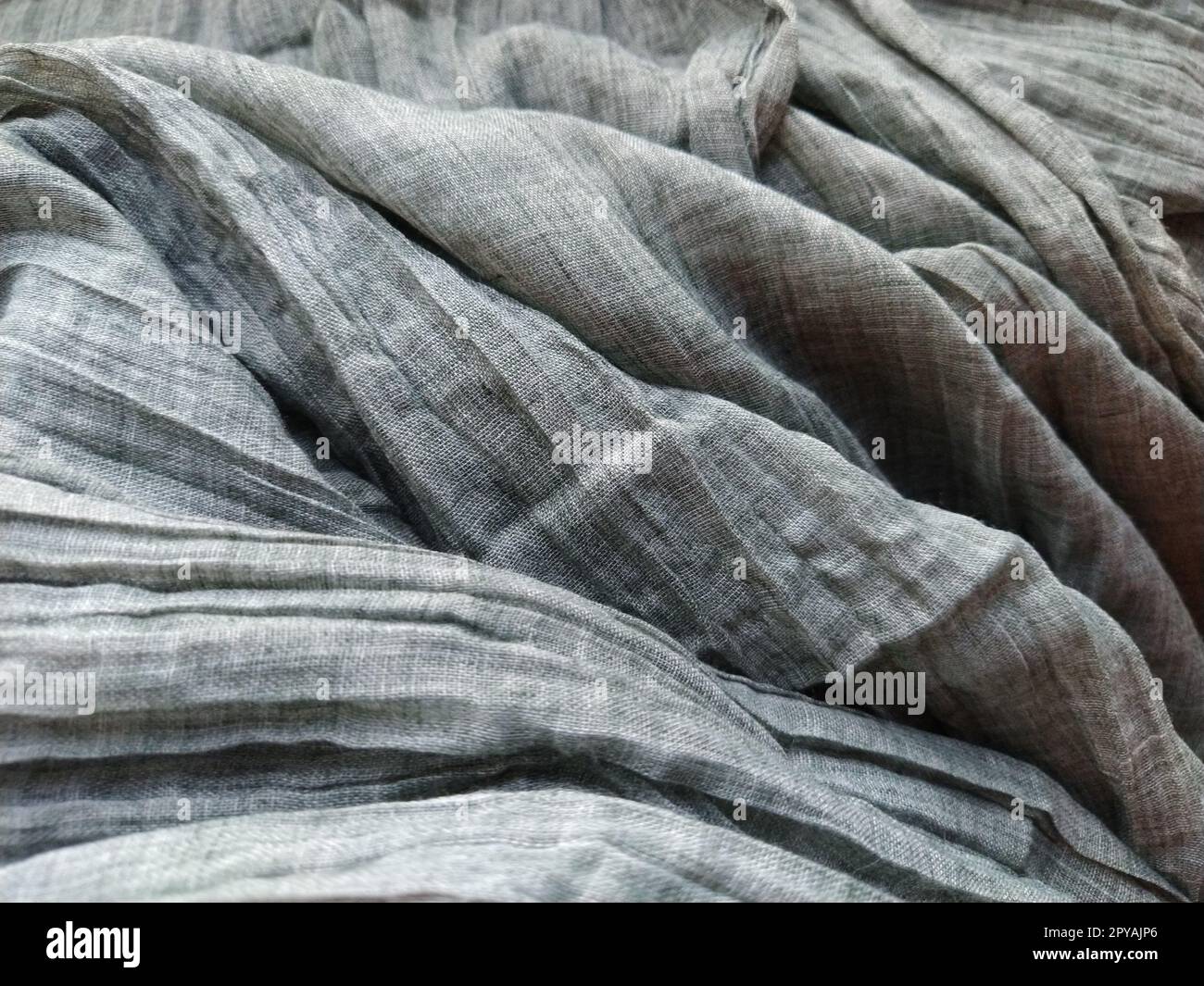
Dress Fabrics Can Be Used To Add A Unique Touch To Curtains Customized
Curtain fabric is a vast field, but it operates under a set of defined expectations. They include weight, durability and light control. Utilizing dress fabric to create custom made curtains is more than an exchange. It's an act of creativity. The crossover makes use of intricate patterns, color palettes, and flowing drapes of fabric to give windows a look which isn't possible with standard furniture. But, this isn't a simple, risk-free swap. It requires an in-depth understanding of the science behind materials, a novel design, and strategic acquisition. This guide explores ten crucial ideas that can assist you in transforming an ordinary dress fabric into a drape. It is possible to transform a design faux pas, such as the silks in the Lichfield store, into an elegant interior design.
Information Top 10 Things You must know
1. Dress Fabric as a Component Not an Independent.
The dress fabrics aren't usually enough for functional curtains. It's primary purpose is to create an elegant "face." It needs to be married up with a hidden architecture. It is recommended to use neutral calico for the underlining (called "underlining in dressmaking") to give body and opacity prior to applying a standard inner and interlining. The sandwich is composed of three layers that helps to stabilize the dress fabric. It keeps the seams from being strained and allows it to hang like the fabric of a furniture. A curtain maker familiar with this technique is essential; many in Walsall or Birmingham's workrooms might hesitate, but a Lichfield-recommended artisan, versed in delicate cloth, will understand.
2. Sunlight and Sanctuary Test - Prioritise windows that face north or are low-light.
The most effective application is in rooms protected from intense and direct sunlight. The ideal locations are a north-facing reading nook or a bedroom with a shaded windows. The use of a delicate silk taffeta, or printed viscose on a south-facing bay window can lead to fast, heartbreaking fade and the degradation of fibre. The consideration of geography must be taken into consideration when determining the location of your project prior to you step foot into a fabric store. This narrows the search down to "a beautiful cloth for the protection of your environment" instead of "any beautiful fabric".
3. The Lichfield Loophole - Exploiting Designer End-of-Bolt Remnants.
Lichfield's fabric shops are the best place to find fabrics. The most expensive dress fabric is usually sold in bolt-ends of 3-5 metres which is not enough for a dress but perfect for a single design window or pair of curtains for a cafe. These remnants are offered by European or Liberty designers and provide premium fabrics for a reasonable price for soft furnishings. The small meterage allows for an imaginative, targeted application, perhaps as a skirt for dressing tables or a canopy, rather than long-length curtains for the drawing room, which can produce stunning results.
4. The Width Mismatch Feature Seams.
Dress fabric is typically 140cm or 115cm wider, which is narrower than standard curtain fabric (137cm or 150cm). It is necessary to have more vertical seams to get the necessary fullness (2.5 percentage of the width of the rail). You could consider making the seams into a focal point instead of concealing them. Utilize a different fabric (sourced from the exquisite hatsheries of Lichfield) to sew into every seam. Also, you can run an upholstery band vertically down every seam. The result is a panelled fashion-forward look that mimics the seams of an elegant jacket.
5. The "Upholstery Fabrics" Partnership: Building an Integral Hybrid.
Mixing dressy fabrics with upholstery fabrics could create a fun feel. Utilize the dress fabric for an accent. For example, an elongated, deep edge at the hem or a contrast, layered pelmet over the curtains that are made out of a strong, heavyweight cotton or wool. You can also use less expensive dresses (a length of fabric from Birmingham's Rag Market), while still getting the similar light blocking and thermal mass of a high-quality furniture fabric. It allows for a dialogue between the delicate and the substantial.
6. The formal spectrum to the fluid matching fabric type and curtain style.
Certain styles of curtains are not suitable for all fabrics. Map the garment's intended use to the purpose of the curtain. The curtain that is flat with sharp edges should be constructed from a brocade dupion or structured silk fabric. The soft crepe or jersey used for flowing dresses is perfect for "puddled", loosely gathered curtains with a relaxed organic drape. In Birmingham, a vendor may only view fabric by the metre. However, in Lichfield there is a chance to talk about the "drape coefficient," and how it affects the header and construction of the curtain.
7. The Carecycle Conundrum The Carecycle Conundrum, Planning for Delicate Maintenance.
It's not possible to make custom curtains out of the dress fabric. Their cleaning and care are an integral part of their story. The best way to clean them is by steaming, not cleaning. A gentle vacuum using brush attachments or a seasonally rotation can help to smooth out the light exposure. It must be done consciously. Ask about cleaning when sourcing. A Walsall shop might provide advice on the practicality of your choice, while the Lichfield shop will talk about the patina that natural silks and linens acquire in time and become an attribute.
8. Birmingham Market Foray. Looking for Theatrical or Heavier Dress Cloth.
Birmingham is a city that is known for its massive markets, but there are also markets dedicated to fabrics for historical reenactment and theatre. There are "dress" fabric of heavy weights here: velvets intended to be used for coats and cloaks; heavy wool twills; and nets with heavy embroidery. These fabrics already possess some of the strength and body required for curtains. They also require less structural reinforcement. The Birmingham tour is transformed into a treasure hunt for unusually strong dress fabrics.
9. The Harmony between Header Hardware and Top Treatment: Choosing the Best Top Treatment.
Curtain heads must be designed in a way that complements the fabric. A huge stiff pinch pleat can cause damage to delicate chiffon. Pick a simple, gathered head with a small pole or go for a hidden top tab to create an illusion of ethereal. For heavier jacquards for dresses the classic triple pleat on a wooden pole gives the appropriate formality. Make sure to consult with your designer prior to making any purchases with fabric, as cutting lengths can be affected as well as tension points. The Walsall workroom could default to standard tape. You should help them towards an easier finishing.
10. The Narrative Integration: Let the narrative story dictate the mood of the room.
In the final analysis it's all about telling a story. A vivid African wax print curtain (found in Birmingham markets) tells of the global vibrancy and color. Linen curtains made from an Lichfield remnant, which was originally destined to be used as a summer outfit are a refreshing, elegant, pastoral look. This style goes beyond decor. This method seeks to expand the window treatment's meaning to transcend the mere ornamentation. It transforms the screen into an image, which is a piece of fabric that was cut from a fabric bolt labeled for dresses, and then moved to a different location so it can dance in the lights.
